
How Can You Tell If Your Chimney Needs Cleaning?
Creosote buildup, smoke entering the room, and a weak draft can all signal that your chimney needs attention. A chimney inspection can show whether cleaning is needed and identify problems that a view from the fireplace cannot reveal.
Need help now? (443) 596-9310
How Can You Tell If Your Chimney Needs Cleaning From What You See?
Look for clues inside the firebox and around the fireplace, but treat them as reasons to arrange an inspection—not proof that the flue is clean or safe. A chimney can have hidden deposits or damage that you cannot see from below.
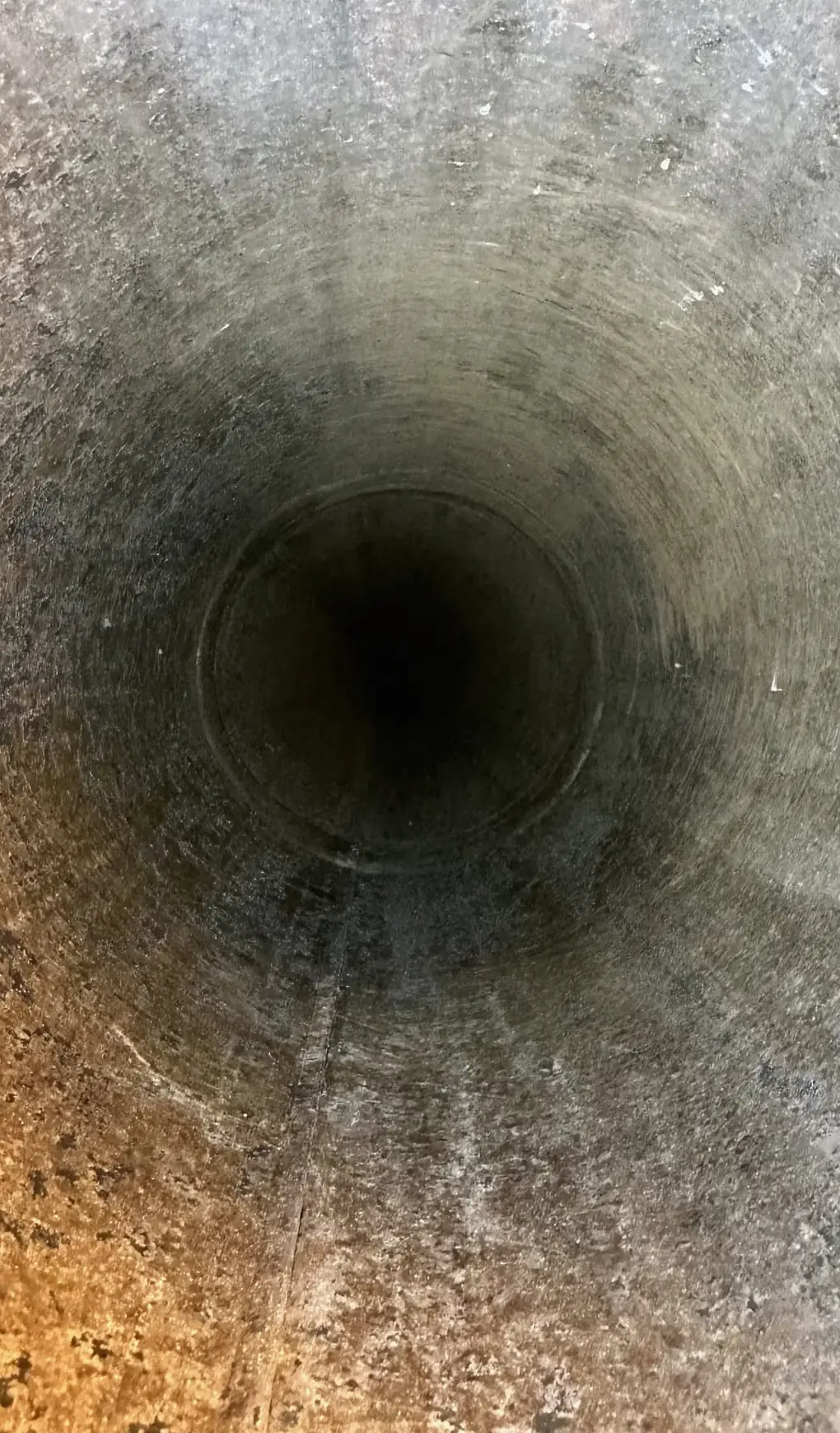
- Black, flaky or shiny deposits — Creosote forms as wood smoke cools inside the flue. Thick or shiny deposits deserve a professional assessment; CSIA guidance identifies creosote buildup of 1/8 inch or more as a reason to have the chimney swept.
- Smoke that spills into the room — Smoke entering the living space can point to a draft problem, a blockage, or deposits restricting the flue. Stop using the fireplace until the cause is checked rather than trying to burn through the problem.
- A strong smoky odor when the fireplace is cold — A persistent odor can come from creosote or soot in the chimney, though odor alone cannot tell you how much buildup is present. Note when you smell it and whether it changes with the weather.
- Debris or animal sounds — Twigs, leaves, or sounds from above may indicate material or an animal in the flue. Do not reach into the chimney; a blockage can interfere with smoke leaving the home.
- Poor draft or fires that struggle — A fire that repeatedly struggles to draw may have a chimney problem, but fuel and fireplace conditions can also affect it. An inspection helps distinguish a cleaning need from another cause.
Why Visible Creosote Does Not Tell the Whole Story
A flashlight check gives you useful clues, but it cannot show every part of the flue or establish that the chimney is ready to use. A chimney inspection and a chimney sweep are related services, but they answer different questions.
A visual check
Looking into the firebox can reveal soot, debris, a damaged damper, or obvious deposits near the opening. It does not give you a full view of the flue, so a clean-looking opening is not a clean-chimney test.
A chimney inspection
An inspection assesses the chimney’s condition and helps determine whether cleaning or repair is appropriate. A Level 2 inspection is recommended in situations such as a change to the appliance, a home sale, relining, or after a fire or weather event; CSIA’s procedure calls for a video scan for that inspection level.
A chimney sweep
Sweeping removes soot and creosote from the flue. The inspection helps identify whether sweeping is needed and whether another condition—such as a blockage or damage—needs attention first.
Seven Safe Checks You Can Make Before Booking
Keep your checks at ground level and inside the fireplace. Do not climb onto the roof, put your head into the firebox, or scrape deposits from the flue.
- Let the fireplace cool — Wait until the fire is completely out and the firebox and ashes are cold. Check for lingering heat without touching ash directly; if anything is still warm, leave the inspection for later.
- Gather a flashlight and notepad — A bright flashlight helps you see the firebox opening, while a notepad lets you record what you notice. Keep tools out of the flue and check that you can see without leaning into the fireplace.
- Look at the firebox walls — From outside the opening, shine the light across the firebrick and smoke shelf area you can see. Note loose pieces, heavy soot, or deposits, and do not chip or brush material away.
- Check the damper position — Look for the metal damper above the firebox and note whether it appears open, closed, or stuck. Do not force a jammed part; record the problem for the chimney professional.
- Observe the flue entrance — Use the flashlight to look upward only from a safe standing position. A dark or shiny layer, visible debris, or an obstruction is a reason to stop using the fireplace and arrange an inspection.
- Note smoke and odor patterns — Write down whether smoke came into the room, whether the fire had difficulty drafting, and when a smoky odor appears. These details help connect the symptom to fireplace use or changing conditions.
- Check the exterior from the ground — From a safe spot outdoors, look for visibly displaced masonry, missing pieces, or debris at the base of the chimney. Do not use a ladder or climb the roof; a ground view cannot assess the flue interior.
- Decide whether to use the fireplace — Do not burn a fire if smoke spills indoors, the flue appears blocked, or you see substantial deposits or damage. Share your notes when you book a chimney inspection service.
Need help now? (443) 596-9310
Which Chimney Service Fits the Sign You Found?
Choose the service based on the problem you can describe, not on a guess about what is hidden inside the chimney. An inspection can clarify whether the next step is cleaning, repair, or a closer look at the flue.
Deposits or soot in the flue
Book a chimney inspection or chimney sweep when you see buildup or have not had the chimney checked. The inspection helps determine whether the chimney needs sweeping or whether another issue should be handled first.
Smoke entering the room
Arrange an inspection before using the fireplace again. A smoky fireplace can involve draft, blockage, or chimney conditions, so cleaning alone should not be assumed to solve it.
Visible masonry damage or water signs
Ask for an inspection when you notice loose masonry or signs that water may be entering near the chimney. The condition of the crown, flashing, and other components can affect which repair is appropriate.
A change, sale, relining, or major event
Ask whether a Level 2 inspection fits after an appliance change, before or during a home sale, when relining is planned, or after a fire or weather event. CSIA’s guidance says this inspection level includes a video scan.
When Smoke, Blockage, or Damage Means Stop Using the Fireplace
Stop using the fireplace and arrange a professional inspection if smoke repeatedly enters the room, you see an obstruction, the damper will not move normally, or you find substantial creosote or damaged masonry. Continuing to burn can leave a blockage or a damaged chimney unaddressed.
A sudden loud cracking or popping sound, dense smoke, or strong heat coming from the chimney can indicate an emergency rather than routine cleaning. Leave the home and call 911 if you suspect an active fire; do not climb onto the roof or try to put out a chimney fire yourself.
- Do not scrape or burn deposits away — A household brush or hotter fire is not a substitute for a proper sweep. Scraping can leave deposits in the flue, and burning hotter does not establish that the chimney is free of creosote or damage.
- Do not assume a cap or damper fixes a blockage — A cap or damper may be part of a chimney system, but neither removes creosote from the flue. Have the obstruction or draft problem identified before using the fireplace again.
What a Chimney Inspection Can Establish Before Cleaning
An inspection is the right next step when you have warning signs but cannot tell whether cleaning alone will address them. The visit focuses on the condition of the chimney and the reported concern; a sweep removes soot and creosote when cleaning is needed.
CSIA points homeowners to the NFPA 211 recommendation for an annual chimney inspection, and its homeowner guidance covers when a chimney should be inspected and swept. That annual check is useful even when the fireplace has seen little use, because damage or a blockage may not be obvious from the firebox.
A video scan is especially relevant for a Level 2 inspection, which CSIA recommends for situations including an appliance change, sale, relining, or after a fire or weather event. The inspection level depends on the reason for the visit, so tell us what changed and what signs you noticed.
Need help now? (443) 596-9310
How to Book a Maryland Chimney Inspection
When you book, describe the fireplace or appliance, the last time it was used, and the exact sign you noticed—such as a smoky odor, deposits, a stuck damper, or smoke entering the room. This information helps distinguish a routine cleaning question from a possible blockage or damage that should be checked first.
Call Maryland Chimney Pros at (443) 596-9310 to arrange service; same-day service is available, and we are open 24 hours a day, 7 days a week. We serve Maryland from our Annapolis base, and our chimney team comes to your home. For information about the inspection price, see how much a chimney inspection costs in Maryland.
For a chimney sweep, describe what you saw and ask for the service that matches the condition. You can also contact us to book; Maryland Chimney Pros serves customers across the state, and Hablamos español.
Frequently asked questions
What does a chimney sweep do?
A chimney sweep removes soot and creosote from the chimney flue. An inspection checks the chimney’s condition and helps determine whether sweeping or another service is needed; see our guide to what happens during a chimney sweep visit.
Can I tell from the fireplace opening that the whole chimney is clean?
No. A flashlight can reveal deposits or debris near the opening, but it cannot show every part of the flue or confirm that there is no hidden damage. Arrange an inspection when you see warning signs or have concerns about use.
Should I use my fireplace if smoke comes into the room?
Stop using it until a chimney professional checks the cause. Smoke entering the room can signal a draft problem, blockage, or buildup, and cleaning should not be assumed to fix every cause.
Does a chimney need checking even if I do not see creosote?
Yes. A view from the firebox cannot reveal every part of the flue, and damage or an obstruction may not be visible from below. CSIA’s homeowner guidance points to an annual inspection recommendation.
Arrange a Chimney Inspection
Describe the signs you noticed and book an inspection with Maryland Chimney Pros at (443) 596-9310.